



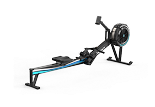


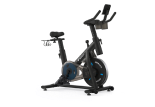
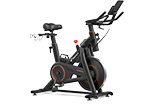
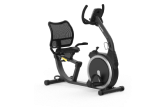





Si vous envisagez de commencer à vous entraîner à la maison mais hésitez entre un rameur et un vélo d’appartement, vous êtes au bon endroit.
Après des années à aider nos clients à choisir le bon équipement de fitness, nous savons exactement quelle machine convient le mieux à quels objectifs. Passons en revue les principales différences pour que vous puissiez trouver l’appareil le plus adapté à votre style d’entraînement et à votre mode de vie.
Comparatif rapide : Rameur vs Vélo d’appartement
| Facteur | Rameur | Vélo d'exercice |
|---|---|---|
| Muscles sollicités | 86 % des muscles (entraînement complet du corps) | 40–45 % des muscles (principalement le bas du corps) |
| Dépense calorique | 400 à 800 calories par heure | 300 à 700 calories par heure |
| Impact sur les articulations | Faible impact sur toutes les articulations | Faible impact (vélo classique), aucun impact (semi‑allongé) |
| Courbe d’apprentissage | Modéré (la technique est importante) | Faible (mouvement intuitif) |
| Encombrement | Encombrement plus important, beaucoup se plient pour le rangement | Encombrement généralement réduit, appareil majoritairement fixe |
| Fourchette de prix | 2 500 | 2 000 |
| Variété d’entraînements | Variabilité modérée | Grande variété grâce aux différents types de vélos |
| Idéal pour | Conditionnement complet du corps, cardio à faible impact | Force du bas du corps, endurance cardiovasculaire |
Entraînement musculaire : corps entier vs bas du corps
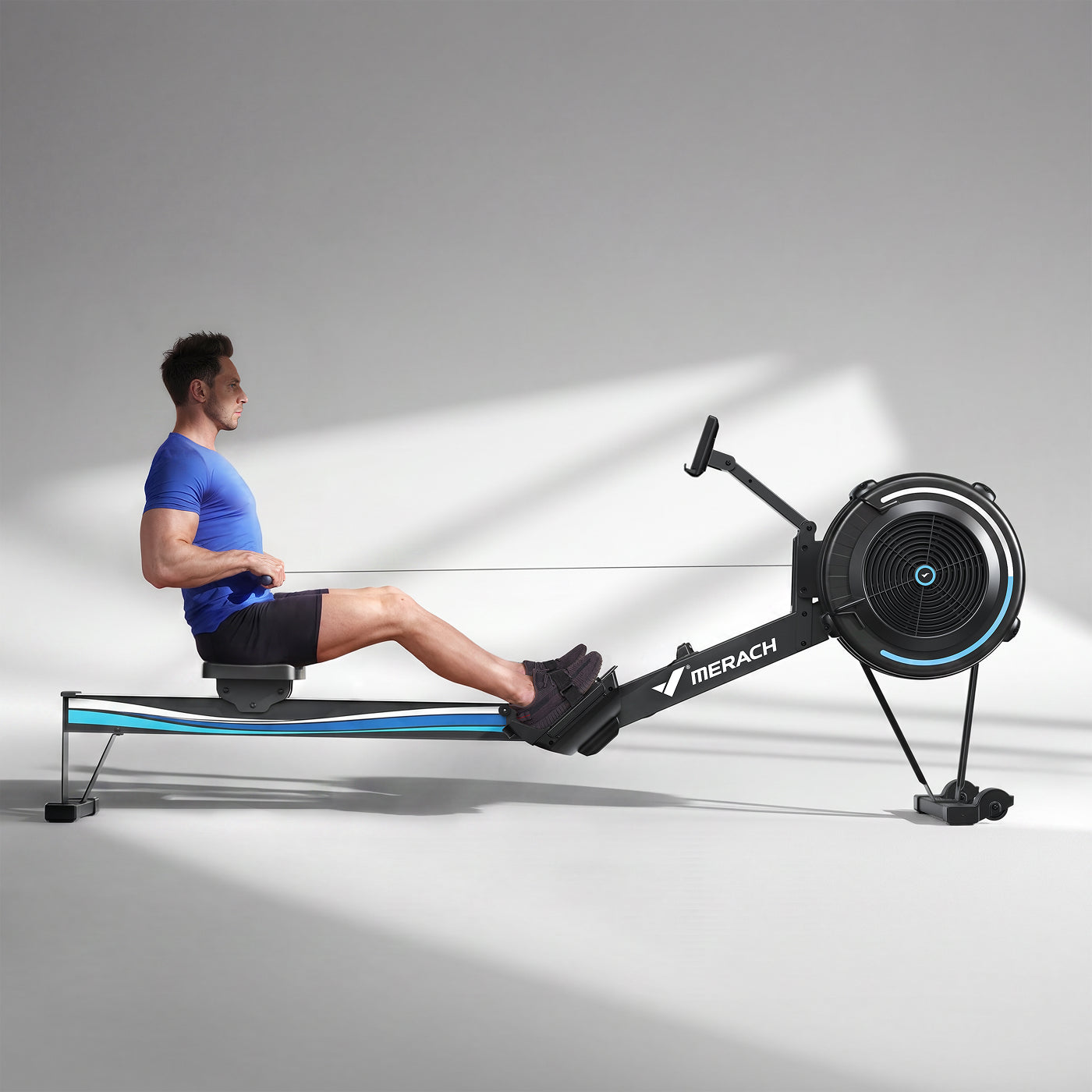
Rameur : un véritable entraînement complet du corps
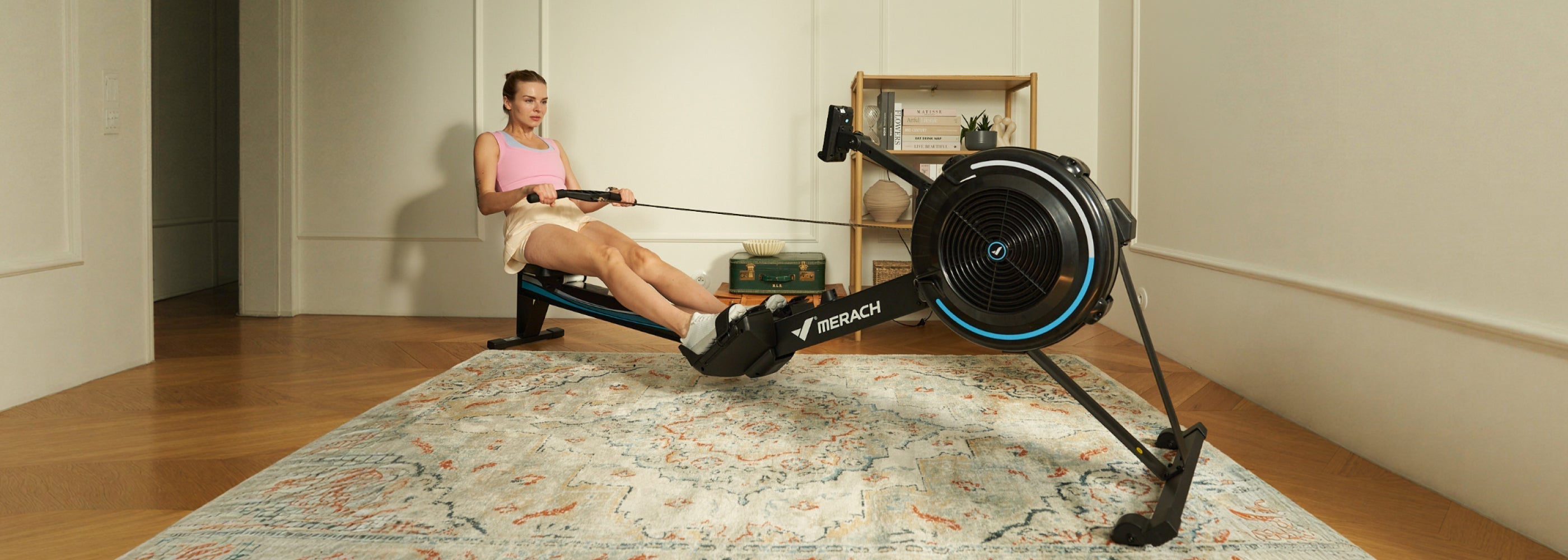
Un rameur sollicite presque tout le corps, ce qui en fait l’une des machines de cardio les plus efficaces.
Principaux groupes musculaires sollicités
- Bas du corps : quadriceps, ischio-jambiers, fessiers, mollets
- Ceinture abdominale : abdos, obliques, bas du dos
- Haut du corps : dorsaux, épaules, trapèzes, biceps et avant-bras
Comment fonctionne le mouvement
- Poussée des jambes (environ 60 % de la puissance) : les quadriceps et les fessiers fournissent l’essentiel de l’effort
- Bascule du corps (environ 20 %) : engagement des muscles du tronc et du dos
- Tirage des bras (environ 20 %) : les muscles du haut du corps terminent le mouvement
Pourquoi c’est efficace
Parce que l’aviron combine plusieurs groupes musculaires en un seul mouvement fluide, il aide à améliorer la coordination, la posture et la force fonctionnelle tout en offrant un solide entraînement cardio.
Vélo d’appartement : travail ciblé du bas du corps
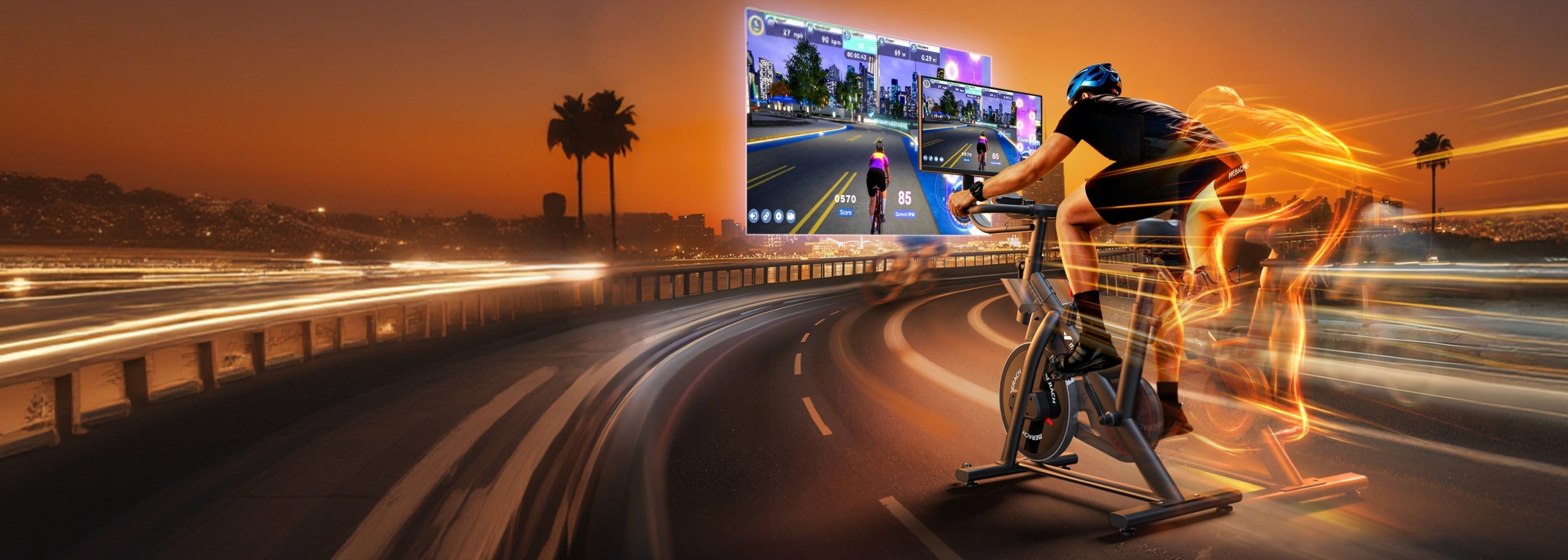
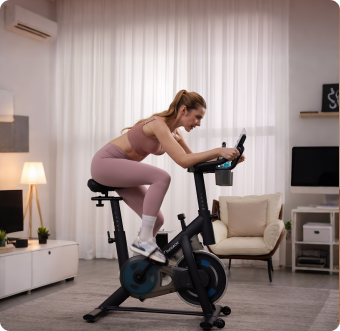
Les vélos d’appartement ciblent principalement le bas du corps, ce qui les rend idéaux pour les personnes qui souhaitent un entraînement cardio simple ou un travail ciblé des jambes.
Principaux groupes musculaires sollicités
- Bas du corps : quadriceps, ischio-jambiers, fessiers, mollets
- Tronc : travail léger de stabilisation
- Haut du corps : implication minimale
Action de pédalage
- Phase de poussée : les quadriceps et les fessiers génèrent la puissance
- Phase de remontée : les ischio‑jambiers et les mollets assistent le mouvement
- Tronc : stabilise la posture tout au long de la séance
Pourquoi on l’adore
Le cyclisme est facile à apprendre, doux pour les articulations et excellent pour améliorer l’endurance cardiovasculaire. C’est aussi un choix populaire pour la rééducation et l’exercice quotidien à faible impact.
Verdict sur l’entraînement musculaire
Gagnant : le rameur
Si votre objectif est une efficacité maximale et un conditionnement complet du corps, le rameur l’emporte. Il sollicite nettement plus de groupes musculaires qu’un vélo d’appartement, vous aidant à développer votre force tout en brûlant des calories.
Cela dit, si votre objectif porte spécifiquement sur le travail du bas du corps, la rééducation ou des séances de cardio faciles à suivre, un vélo d’appartement pourrait mieux vous convenir.
Calories brûlées et potentiel de perte de poids
Dépense calorique sur rameur
Grâce à la sollicitation de tout le corps, l’aviron permet de brûler un nombre important de calories.
Dépense calorique estimée (personne de 70 kg / 155 lb)
- Intensité légère : 400–450 kcal/heure
- Intensité modérée : 550–650 kcal/heure
- Haute intensité : 650–800 kcal/heure
Effet post-combustion
Un rameur à haute intensité peut également augmenter la dépense calorique après l’entraînement, appelée « effet afterburn » (EPOC), ce qui signifie que votre corps continue de brûler des calories supplémentaires même après la séance.
Bénéfices métaboliques
L’aviron combine renforcement musculaire et entraînement cardio en un seul mouvement, ce qui peut aider à maintenir la masse musculaire tout en améliorant la condition cardiovasculaire et la dépense énergétique globale.
Découvrez plus de détails sur les rameurs.
 Vélo d’appartement – Calories brûlées
Les vélos d’appartement permettent de brûler efficacement des calories, avec des variations selon les types de vélos :
Dépense calorique approximative (personne de 70 kg) :
- Intensité légère : 300 à 400 calories/heure
- Intensité modérée : 450–550 calories/heure
- Haute intensité : 600 à 700 calories/heure
Variantes de types de vélos :
- Vélos droits : dépense calorique modérée
- Vélos de spinning : Dépense calorique plus élevée grâce à de plus grandes options de résistance
- Vélos semi‑allongés : Légèrement moins de calories brûlées, mais plus confortables pour les longues séances
Potentiel de maintien de l’effort :
De nombreuses personnes peuvent tenir plus longtemps sur un vélo d’appartement, ce qui peut compenser la légère différence de calories brûlées par minute par rapport à l’aviron.
Conclusion
Les rameurs et les vélos d’appartement sont tous deux d’excellents choix pour adopter un mode de vie plus sain et plus actif à la maison. Le meilleur choix dépend en fin de compte de vos objectifs personnels, de l’espace disponible, de vos préférences d’entraînement et de votre niveau de confort.
Si vous recherchez un entraînement complet du corps avec une forte dépense calorique, un rameur est une excellente option polyvalente. Si vous préférez un cardio à faible impact axé sur l’endurance et le bas du corps, un vélo d’appartement conviendra peut‑être mieux à votre routine.
Quel que soit votre choix, c’est la régularité qui apporte des résultats — et investir dans un équipement que vous aimez vraiment utiliser est souvent la décision la plus judicieuse.
Vous pouvez découvrir notre gamme complète de rameurs et de vélos d’appartement sur nos pages de collection, où des offres spéciales et des codes de réduction sont régulièrement proposés. Si vous souhaitez plus de conseils avant de prendre une décision, consultez notre guide d’achat détaillé pour les rameurs.