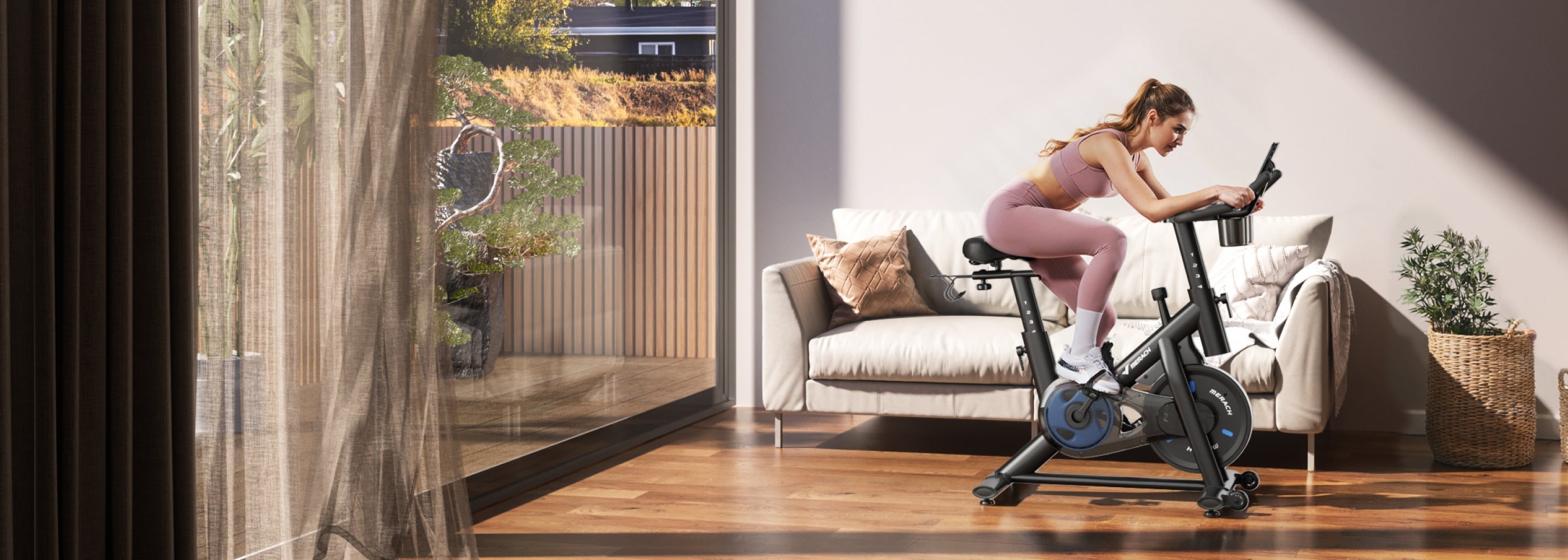






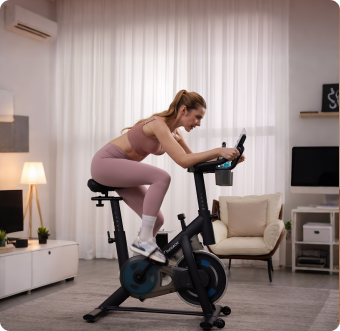






More people than ever are choosing exercise bikes for home workouts. With increasingly busy schedules, rising gym membership costs, and the popularity of on-demand training, home cardio equipment has evolved from a temporary alternative into a long-term lifestyle upgrade.
However, with so many home exercise bikes on the market, choosing the right one is not always easy. Many shoppers start by comparing price, but long-term satisfaction depends on far more than the initial cost.
The features you prioritise today will directly influence whether you’re still riding six months—or even years—from now. Choosing the right balance of performance, comfort, and smart connectivity ensures your bike continues to support your fitness goals over time.
Why Features Matter When Choosing a Home Exercise Bike

When browsing exercise bikes for sale, it’s easy to focus on discounts or design. However, differences in features can have a major impact on usability, comfort, and results.
Long-term value vs short-term savings
A lower-priced bike may look attractive initially, but if it lacks smooth resistance or proper adjustability, it may struggle to support consistent progression. Higher-quality resistance systems and stronger build quality often deliver far better long-term value.
Matching bike capabilities to your fitness goals
If your goal is light cardio a few times per week, you may not need advanced training programmes. But if you plan to train regularly, build endurance, or follow structured workouts, you’ll need a bike that supports multiple resistance levels and performance tracking.
Avoiding buyer’s regret with home equipment
Home fitness equipment takes up space. A bike that feels uncomfortable, unstable, or noisy can quickly end up unused. Careful attention to features helps reduce the risk of regret and improves long-term consistency.
Sistemas de resistencia ajustable: magnética vs fricción
Resistance type is one of the most important technical differences between exercise bike models.
Why magnetic resistance is smoother and quieter
Magnetic resistance uses magnets to create tension against the flywheel without physical contact. This results in smoother transitions between resistance levels and significantly quieter operation.
For many home users—especially those in apartments or shared living spaces—quiet performance is a major advantage.
How resistance levels support progression
Gradual and precise resistance adjustments allow you to increase training intensity over time. Whether you’re building endurance or doing interval training, better control helps support structured progression.
Which system is better for home environments
Magnetic resistance systems are generally better suited for home use due to lower noise and reduced maintenance. Friction systems can still be effective but tend to generate more sound during intense sessions.
Tecnología de pantalla inteligente
Modern exercise bikes often include upgraded display features designed to improve motivation and tracking.
Pantallas integradas vs soportes para tablet
Some bikes feature integrated screens that show workout metrics and training programmes, while others include tablet holders so you can stream classes or apps from your own device.
The best choice depends on whether you prefer an all-in-one system or flexible app-based training.
Real-time performance metrics
A clear and easy-to-read display should typically show:
- RPM (cadence)
- Distancia
- Tiempo
- Calorías quemadas
- Heart rate (if supported)
These metrics help you stay engaged and adjust your effort during workouts.
Interactive classes and virtual riding
Many users now prefer connected training experiences. Bikes that support virtual rides or structured online classes can significantly boost motivation and make indoor cycling more engaging.
App Connectivity and Smart Fitness Integration
Connected fitness continues to grow rapidly in popularity.
Conectividad Bluetooth
Bluetooth enables your exercise bike to sync with fitness apps and wearable devices, making tracking more seamless and accurate.
Integración con aplicaciones y wearables de fitness
Compatibility with fitness platforms allows users to follow guided workouts, track performance trends, and stay accountable. If you already use a smartwatch or fitness tracker, choosing a compatible bike can simplify your data ecosystem.
Tracking progress for long-term consistency
Sustainable fitness results depend on consistency. Performance tracking helps you monitor improvements, set goals, and stay motivated over time.
Comfort and Adjustability Features
Even the most advanced exercise bike won’t be used consistently if it isn’t comfortable.
Adjustable seat height and fore-aft position
Proper seat adjustment ensures correct leg extension and helps reduce strain on the knees. Look for bikes that allow both vertical and horizontal adjustments for better fit.
Posición del manillar
Handlebars should allow a natural riding posture without forcing you to round your back or overextend your shoulders. Adjustable handlebars improve ergonomic comfort, especially for longer sessions.
Diseño del pedal y estabilidad del pie
Secure pedals with adjustable straps improve safety and power transfer. Stable foot positioning is especially important during higher-intensity workouts.
Which Features Matter Most for Different Users?
Beginners
Focus on comfort, quiet operation, and simple, easy-to-read displays. Smooth resistance is more important than advanced training features.
Weight-loss focused users
Prioritise varied resistance levels, calorie tracking, and app integration to support structured training plans.
Performance-focused riders
Look for heavier flywheels, a wide resistance range, strong frame stability, and compatibility with advanced tracking apps.
Conclusión
When choosing a home exercise bike, it’s important to prioritise performance, comfort, and connectivity over price alone. Features such as adjustable resistance, quiet operation, stable construction, and smart tracking all play a key role in long-term satisfaction.
The right combination of features depends on your goals and living environment. By carefully comparing exercise bikes for sale, you can make a more confident decision and invest in equipment that supports consistent, long-term training.