



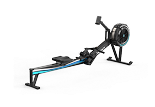


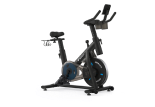
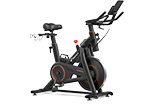
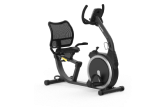
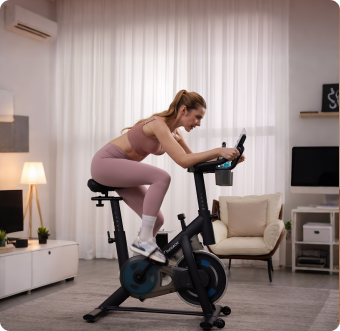


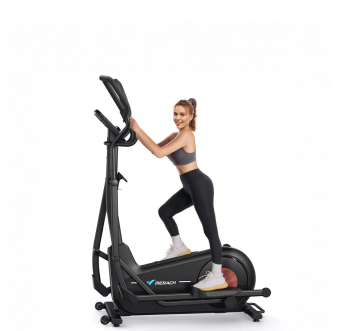



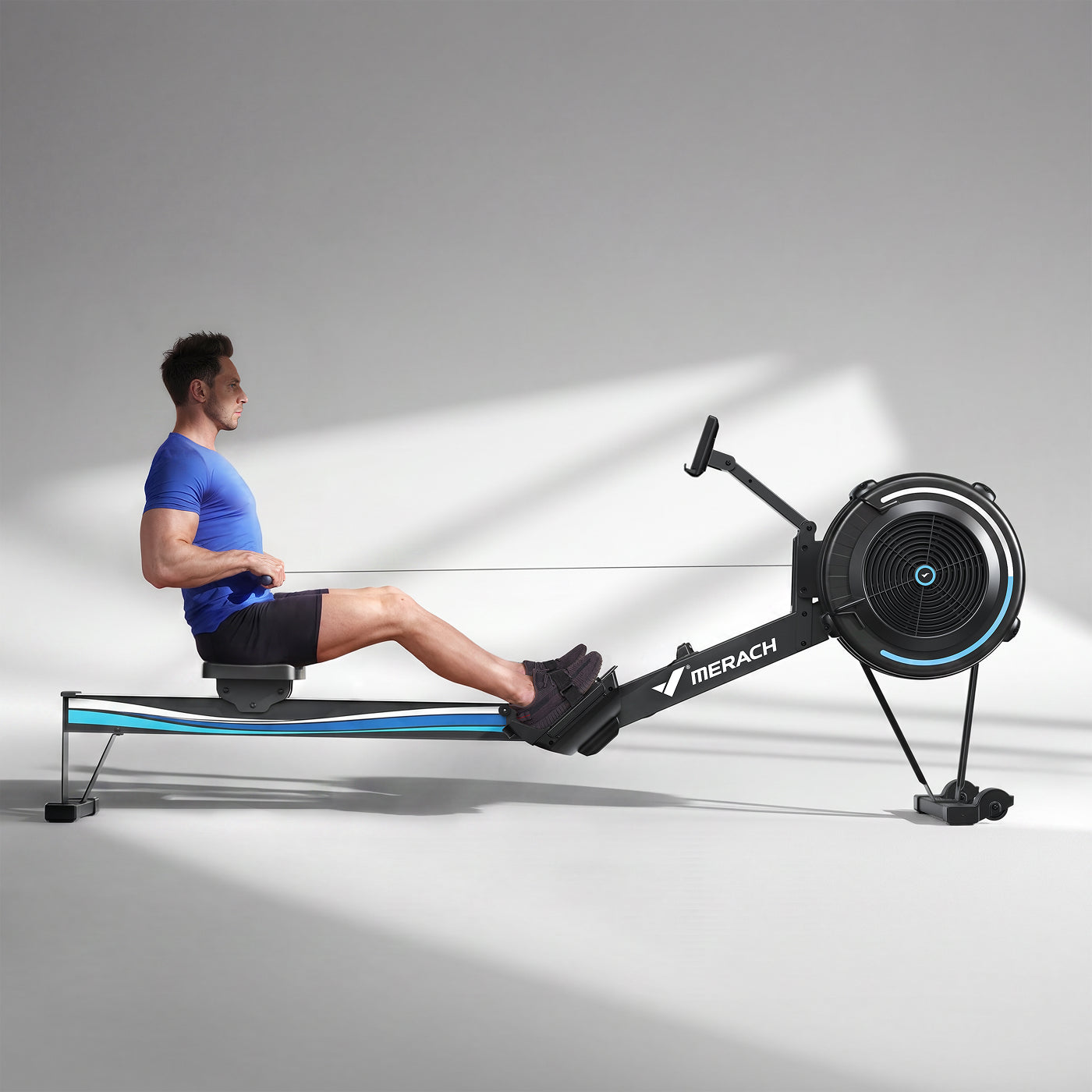
Om du planerar att börja träna hemma men inte kan bestämma dig mellan en roddmaskin och en motionscykel, har du kommit rätt.
Efter många års erfarenhet av att hjälpa kunder att välja rätt träningsutrustning vet vi exakt vilken maskin som fungerar bäst för olika träningsmål. Låt oss gå igenom de viktigaste skillnaderna så att du kan hitta det som passar din träningsstil och livsstil bäst.
Snabb jämförelse: Roddmaskin vs Träningscykel
| Faktor | Roddmaskin | Motionscykel |
|---|---|---|
| Arbetande muskler | 86 % av musklerna (helkroppsträning) | 40–45 % av musklerna (främst underkroppen) |
| Kaloriförbrukning | 400–800 kalorier per timme | 300–700 kalorier per timme |
| Ledbelastning | Låg belastning på alla leder | Låg belastning (vanlig cykel), ingen belastning (liggcykel) |
| Inlärningskurva | Måttlig (tekniken spelar roll) | Låg (intuitiv rörelse) |
| Platsbehov | Större ytbehov, många kan fällas för förvaring | Generellt mindre ytbehov, står mestadels stilla |
| Prisintervall | 2 500 | 2 000 |
| Träningsvariation | Måttlig variation | Stor variation med olika cykeltyper |
| Perfekt för | Helkroppsträning, skonsam konditionsträning | Benstyrka, kardiovaskulär uthållighet |
Muskelträning: Helkroppsfokus vs fokus på underkroppen
Roddmaskin: En verklig helkroppsträning
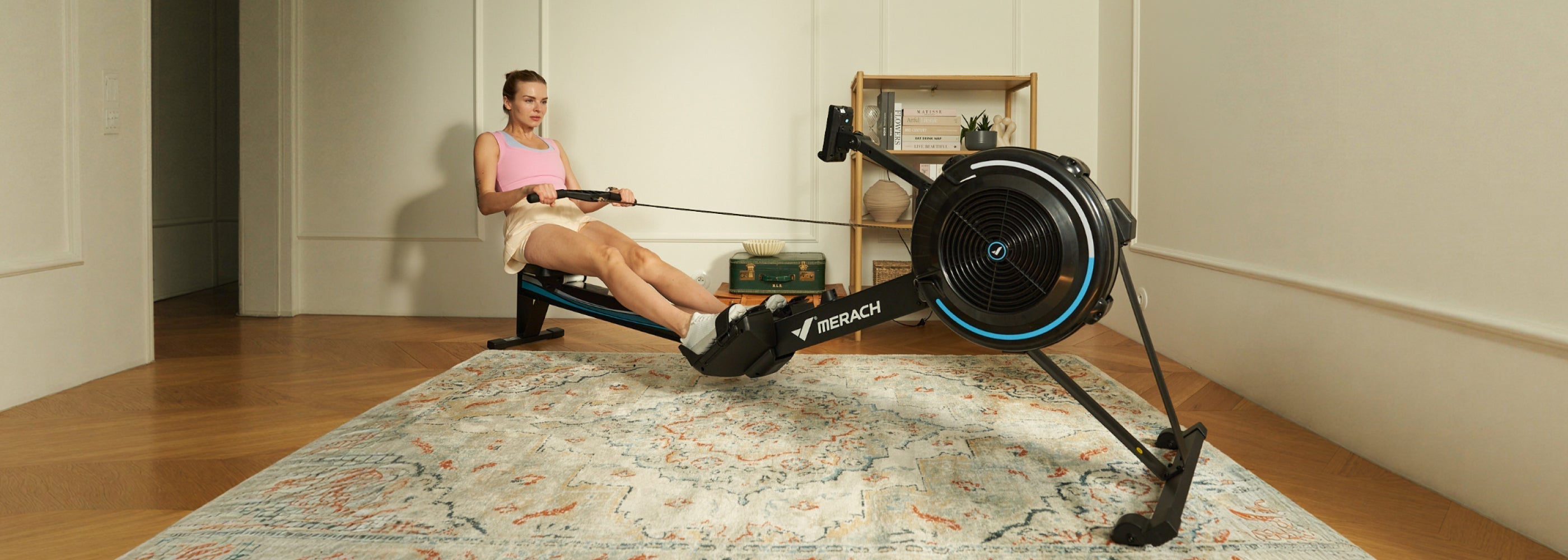
En roddmaskin aktiverar i princip hela kroppen, vilket gör den till en av de mest effektiva konditionsmaskinerna som finns.
Viktigaste muskelgrupperna som aktiveras
- Underkropp: quadriceps, hamstrings, sätesmuskler, vader
- Bål: mage, sneda magmuskler, ländrygg
- Överkropp: lats, axlar, traps, biceps och underarmar
Hur rörelsen fungerar
- Bendriv (cirka 60 % av kraften): framsida lår och säte gör huvuddelen av arbetet
- Kroppssving (cirka 20 %): bål- och ryggmuskler aktiveras
- Armdrag (cirka 20 %): överkroppsmusklerna avslutar roddtaget
Varför den är effektiv
Eftersom rodd kombinerar flera muskelgrupper i en mjuk, sammanhängande rörelse hjälper den till att förbättra koordination, hållning och funktionell styrka samtidigt som du får ett rejält konditionspass.
Motionscykel: Fokuserad träning för underkroppen
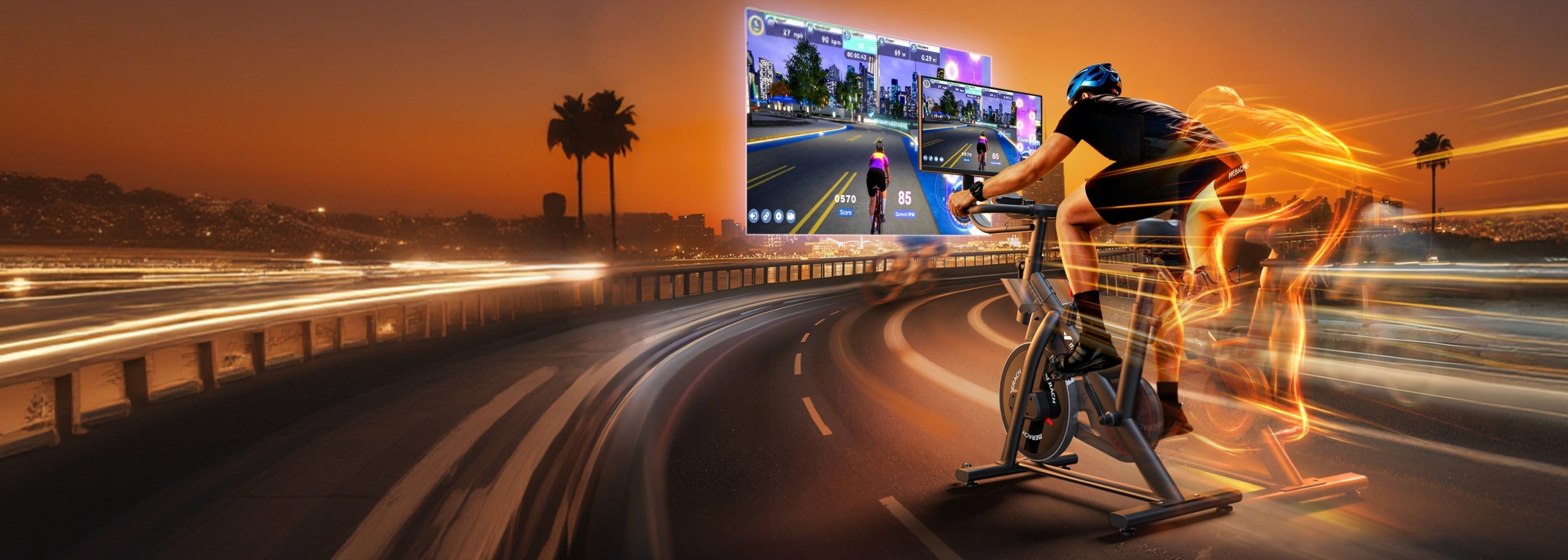
Motionscyklar tränar främst underkroppen, vilket gör dem idealiska för personer som vill ha ett enkelt konditionspass eller fokuserad benträning.
Viktigaste muskelgrupperna som aktiveras
- Nedre kroppen: quadriceps, hamstrings, sätesmuskler, vader
- Bål: lätt stabiliseringsarbete
- Överkropp: minimal inblandning
Trampkänsla
- Nedåttramp: lår och säte genererar kraft
- Uppåtfas: hamstrings och vader hjälper till
- Bål: stabiliserar hållningen under hela passet
Varför den är så omtyckt
Cykling är lätt att lära sig, skonsamt för lederna och utmärkt för att förbättra konditionen. Det är också ett populärt val för rehabilitering och skonsam vardagsträning.
Omdöme: Muskelträning
Vinnare: roddmaskin
Om ditt mål är maximal effektivitet och helkroppskonditionering är roddmaskinen det bästa valet. Den aktiverar betydligt fler muskelgrupper än en motionscykel och hjälper dig att bygga styrka och bränna kalorier samtidigt.
Om ditt fokus däremot ligger specifikt på underkroppsträning, rehabilitering eller lättföljda konditionspass kan en motionscykel passa dig bättre.
Förbrända kalorier och viktminskningspotential
Kaloriförbrukning på roddmaskin
Tack vare att hela kroppen aktiveras kan rodd förbränna en betydande mängd kalorier.
Beräknad kaloriförbrukning (person på 70 kg / 155 lb)
- Låg intensitet: 400–450 kcal/timme
- Måttlig intensitet: 550–650 kcal/timme
- Hög intensitet: 650–800 kcal/timme
Efterförbränningseffekt
Högintensiv rodd kan också öka kaloriförbrukningen efter passet, den så kallade ”afterburn-effekten” (EPOC), vilket innebär att kroppen fortsätter att bränna extra kalorier även efter träningen.
Metabola fördelar
Rodd kombinerar styrke- och konditionsträning i en och samma rörelse, vilket kan bidra till att bevara muskelmassa samtidigt som det förbättrar den kardiovaskulära konditionen och den totala energiförbrukningen.
Ta reda på fler detaljer om roddmaskiner.
 Motionscykel – kaloriförbrukning
Motionscyklar ger effektiv kaloriförbränning, med variationer mellan olika cykeltyper:
Ungefärlig kaloriförbrukning (person på 70 kg):
- Låg intensitet: 300–400 kalorier/timme
- Måttlig intensitet: 450–550 kalorier/timme
- Hög intensitet: 600–700 kalorier/timme
Variationer av cykeltyp:
- Upprätta cyklar: Måttlig kaloriförbränning
- Spinningcyklar: Högre kaloriförbrukning tack vare större motståndsmöjligheter
- Liggcrosscyklar: Något lägre kaloriförbränning men bekvämare för längre pass
Potential för längre arbete:
Många kan hålla igång längre pass på motionscyklar, vilket potentiellt kan kompensera för den något lägre kaloriförbrukningen per minut jämfört med rodd.
Avslutande tankar
Både roddmaskiner och motionscyklar är utmärkta val för att skapa en hälsosammare och mer aktiv livsstil hemma. Det bästa alternativet beror i slutändan på dina personliga träningsmål, tillgängligt utrymme, träningspreferenser och vad du tycker är bekvämt.
Om du vill ha helkroppsträning med hög kaloriförbränning är en roddmaskin ett fantastiskt allroundalternativ. Om du föredrar skonsam konditionsträning med fokus på uthållighet och underkropp kan en motionscykel passa bättre i din rutin.
Oavsett vad du väljer är det kontinuiteten som ger resultat – och att investera i utrustning du verkligen tycker om att använda är ofta det smartaste beslutet.
Du kan utforska vårt kompletta sortiment av roddmaskiner och motionscyklar på våra kollektionssidor, där specialerbjudanden och rabattkoder regelbundet finns tillgängliga. Om du vill ha mer vägledning innan du bestämmer dig kan du ta en titt på vår detaljerade köpguide för roddmaskiner.