

Man mano che le pedane vibranti si diffondono nelle home gym di tutto il mondo, una domanda ricorre spesso: queste eleganti macchine possono davvero sostituire la camminata quotidiana? In fondo, tutti cerchiamo un modo per allenarci in modo più intelligente, non necessariamente più duro, giusto?
La verità è che pedane vibranti e camminata lavorano il corpo in modi completamente diversi. Mentre la camminata si concentra sulla resistenza cardiovascolare e sul movimento della parte inferiore del corpo, le pedane vibranti generano rapide contrazioni muscolari che coinvolgono contemporaneamente più gruppi muscolari. Quindi, le pedane vibranti offrono benefici concreti che potrebbero rendere quei 10 minuti più “preziosi” di una camminata.
In questo articolo approfondiremo l’equivalenza tra pedana vibrante e passi e come sfruttare al massimo questo innovativo strumento di allenamento per i tuoi obiettivi fitness. Vediamo cosa ottieni davvero dal tempo trascorso sulla pedana e se vale la pena aggiungerla alla tua attrezzatura per l’home fitness.
1. Come funzionano le pedane vibranti?
Una pedana vibrante è una piattaforma che vibra quando ci stai in piedi sopra, costringendo i muscoli a contrarsi e rilassarsi continuamente. Queste macchine non sono un’invenzione stravagante dell’ultima ora: esistono da decenni e sono state originariamente sviluppate per gli astronauti per prevenire la perdita di massa ossea nello spazio.
La “magia” avviene grazie a quello che si chiama riflesso tonico da vibrazione. Quando la pedana vibra sotto di te, il tuo corpo pensa di perdere l’equilibrio e attiva le fibre muscolari per mantenerti stabile. Queste vibrazioni avvengono di solito 20‑60 volte al secondo, il che significa che i muscoli si contraggono decine di volte al secondo senza che tu faccia nulla. È come fare un mini allenamento stando semplicemente in piedi.
L’idea alla base di una pedana vibrante è che sia alimentata da un motore interno o da un sistema meccanico che genera movimenti oscillatori o vibratori, che possono essere verticali/lineari, oscillanti/pivottanti o 3D/tri‑planari; queste vibrazioni fanno sì che i muscoli si contraggano e si rilassino più volte al secondo, stimolando l’attività muscolare. Abbastanza incredibile, se ci pensi. Puoi stare in piedi, sederti, accovacciarti o eseguire esercizi sulla pedana, e le vibrazioni amplificano qualsiasi movimento tu stia facendo.
2. Benefici delle pedane vibranti
Questi dispositivi possono apportare benefici alla salute e alla forma fisica in modi diversi, e le ricerche sono promettenti: le pedane vibranti possono aiutare a dimagrire. Una revisione del 2019 pubblicata sul Journal of Musculoskeletal and Neuronal Interactions ha analizzato sette studi su 280 persone e le pedane vibranti sembrano aver portato a una notevole perdita di grasso. Ma il dimagrimento non è l’unico vantaggio.

Forza e attivazione muscolare
Uno dei principali punti di forza è la rapidità con cui le pedane vibranti attivano i muscoli. Le vibrazioni rapide provocano contrazioni muscolari involontarie che non si ottengono stando semplicemente in piedi su una superficie normale. Questo può aiutare a sviluppare forza nel tempo, soprattutto se abbinato a esercizi come squat o affondi sulla pedana.
Migliore circolazione
Le vibrazioni stimolano la circolazione sanguigna, che può migliorare il flusso in tutto il corpo. Usare una pedana vibrante può migliorare direttamente la circolazione e, proprio come gli allenamenti aerobici favoriscono la salute cardiovascolare, anche le sessioni di vibrazione possono stimolare la circolazione in modo significativo. Un flusso sanguigno migliore significa più ossigeno ai muscoli e potenzialmente un recupero più rapido dopo gli allenamenti.
Supporto alla densità ossea
I ricercatori hanno scoperto che l’uso di una pedana vibrante per 10–20 minuti al giorno nello spazio aiutava a prevenire la perdita di massa ossea. Questo rende le pedane vibranti particolarmente interessanti per gli anziani o per chiunque sia preoccupato per la salute delle ossa.
Opzione a basso impatto
È qui che le pedane vibranti danno il meglio. Se hai problemi alle articolazioni, infortuni o limitazioni di mobilità, l’esercizio tradizionale può essere difficile o persino impossibile. Puoi stare in piedi, sederti o persino sdraiarti sulla macchina: le vibrazioni si diffonderanno nel corpo dal punto di contatto indipendentemente dalla posizione, rendendo le pedane vibranti ideali per chi ha problemi di mobilità o limitazioni fisiche.
3. Piattaforma vibrante vs esercizio tradizionale
Sebbene gli esercizi tradizionali come la corsa e l’allenamento con i pesi siano alla base di qualsiasi routine di fitness, nel nostro mondo frenetico molte persone non hanno abbastanza tempo. Per questo le pedane vibranti sono un potente complemento per gli orari più impegnati. Questo porta a una domanda comune: come si confronta una sessione su una pedana vibrante con l’esercizio tradizionale?
Ogni approccio ha i suoi punti di forza. La pedana vibrante total body offre vantaggi unici in termini di tempo e una stimolazione muscolare profonda, mentre gli esercizi tradizionali costruiscono resistenza e forza di base. Il confronto seguente evidenzia le differenze principali per aiutarti a capire come possano lavorare in sinergia.
| Aspetto | Piattaforma vibrante | Allenamento tradizionale |
|---|---|---|
| Efficienza del tempo | Alta – sessioni da 10-15 min | Variabile – in genere 30-60 min |
| Attivazione muscolare | Contrazioni rapide e involontarie | Movimenti controllati volontariamente |
| Benefici cardiovascolari | Moderata | Alta (esercizi cardio) |
| Calorie bruciate | 50-150 cal/10 min | Varia molto a seconda dell’attività |
| Livello di impatto | Molto bassa | Da bassa ad alta |
| Accessibilità | Adatto a mobilità ridotta | Può risultare impegnativo per alcuni |
Per ottenere i risultati migliori, considera la pedana vibrante come un’integrazione — non un sostituto — dell’esercizio tradizionale. Usala per potenziare gli squat, aggiungere varietà alla routine o come opzione a basso impatto nei giorni in cui le articolazioni hanno bisogno di una pausa. Le migliori pedane vibranti oggi sul mercato offrono funzioni di sicurezza e impostazioni regolabili per aiutarti a ottenere il massimo da ogni sessione.

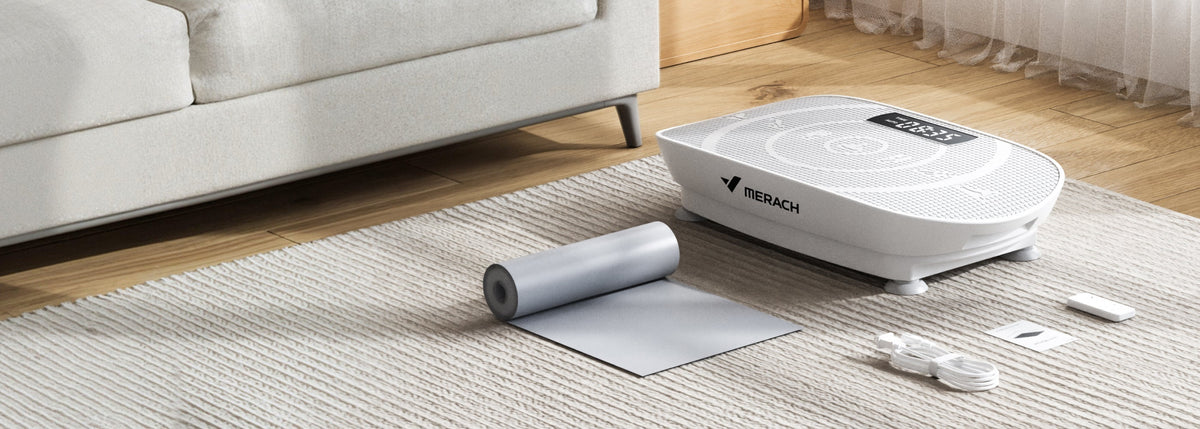
Se stai cercando una pedana vibrante che offra il giusto equilibrio tra sicurezza, versatilità e facilità d’uso, la pedana vibrante Merach Whole Body è un’ottima scelta. Dispone di 10 livelli di velocità regolabili (1–10) e vibra fino a 50 volte al secondo per adattare l’intensità ai tuoi obiettivi, sia per il recupero sia per l’attivazione muscolare. La piattaforma è stabile e spaziosa, per garantire sicurezza durante l’uso. Il design salvaspazio è facile da riporre o trasportare, ideale per l’uso domestico. Integrando la pedana vibrante nella tua routine, avrai uno strumento affidabile per potenziare gli allenamenti esistenti nel comfort di casa tua.

4. Piastra vibrante: a quanti passi equivale?
Va bene, andiamo dritti al punto che tutti vogliono sapere: pedana vibrante vs camminata. Anche se una pedana vibrante tecnicamente non conta i passi, i ricercatori stimano spesso l’equivalente in passi in base alle calorie bruciate e ai livelli di MET. Di seguito trovi una ripartizione pratica per capire a cosa corrispondono, nei movimenti di tutti i giorni, le tue sessioni sulla pedana vibrante.
10 minuti sulla pedana vibrante equivalgono a quanti passi?
Sebbene le due attività coinvolgano il corpo in modo diverso, gli studi suggeriscono una correlazione interessante. Secondo una ricerca pubblicata sul Journal of Sports Science & Medicine, una sessione di 10 minuti sulla pedana vibrante che includa movimenti dinamici può generare risposte fisiologiche equivalenti a 2.000–3.000 passi di camminata a ritmo moderato. Questa conversione deriva dalla capacità della piattaforma di stimolare le contrazioni muscolari in tutto il corpo, coinvolgendo i muscoli stabilizzatori del core, quelli della parte inferiore e persino la muscolatura della parte superiore attraverso il mantenimento della postura, in un modo che la semplice camminata non può replicare. È quindi un modo rapido per imitare una breve camminata — perfetto quando hai poco tempo ma vuoi comunque restare attivo.
15 minuti sulla pedana vibrante equivalgono a quanti passi?
Proiettando in modo lineare il risultato dei 10 minuti, si ottiene che in 15 minuti l’equivalente in passi sale a circa 3.000–4.500 passi. Un allenamento di 15 minuti che mantenga la stessa intensità e lo stesso ritmo di movimento produce in genere il 50% di lavoro fisiologico in più rispetto a una sessione di 10 minuti. Una frequenza di vibrazione più alta o l’aggiunta di esercizi dinamici possono spingere ulteriormente il valore massimo. Per molte persone, questa durata può risultare simile a una camminata sostenuta in termini di impegno cardiovascolare e attivazione muscolare.
20 minuti su una pedana vibrante equivalgono a quanti passi?
Estendendo lo stesso ragionamento lineare, una sessione di 20 minuti alla stessa intensità dovrebbe approssimativamente raddoppiare la risposta di 10 minuti al limite superiore. Una sessione di 20 minuti può equivalere a circa 4.000-6.000 passi. Poiché le pedane vibranti coinvolgono un numero maggiore di fibre muscolari tramite contrazioni rapide, potresti percepirne gli effetti prima rispetto alla camminata a ritmo costante.
| Tempo sulla pedana vibrante | Equivalente stimato in passi |
|---|---|
| 10 minuti | 2.000–3.000 passi |
| 15 minuti | 3.000–4.500 passi |
| 20 minuti | 4.000-6.000 passi |
Tuttavia, l’equivalenza esatta varia in modo significativo in base a fattori come la frequenza delle vibrazioni, le impostazioni di ampiezza e i modelli di movimento dell’utente durante la sessione.
Quindi, invece di pensare alle equivalenze in passi, pensa a ciò che vuoi ottenere. Se desideri fare cardio e raggiungere il tuo obiettivo quotidiano di passi, esci a camminare. Se invece vuoi attivare la muscolatura e lavorare sulla forza in poco tempo, la pedana vibrante è la tua alleata.
5. Quanto tempo dovresti usare una pedana vibrante?
Abbiamo parlato di 10 minuti, ma è davvero questa la soglia ideale? La risposta dipende dai tuoi obiettivi e dal tuo livello di forma fisica.
Quando inizi ad abituarti all’allenamento a vibrazione globale, in genere consigliamo di usare la pedana vibrante 2 o 3 volte a settimana per sessioni da 10-15 minuti. In questo modo il corpo ha il tempo di adattarsi alle vibrazioni senza esagerare.
Per chi è alle prime armi, inizia con sessioni più brevi — magari 5-10 minuti — a bassa intensità. Ti sorprenderà quanto si possa sentire il lavoro anche solo dopo pochi minuti quando si è principianti. Limita le sessioni a circa 10-15 minuti, soprattutto all’inizio, e aumenta gradualmente il tempo man mano che ti senti più a tuo agio.
Se usi una pedana vibrante per il rafforzamento e la tonificazione muscolare, valuta di utilizzarla 3–5 volte a settimana con sessioni di circa 20–30 minuti e a intensità maggiore: questo approccio ti aiuta a sviluppare in modo costante resistenza e forza muscolare.
La chiave è la costanza, non l’intensità. Usarlo regolarmente per periodi brevi è meglio che spingere al massimo ogni tanto e poi smettere. La maggior parte delle ricerche suggerisce che 15 minuti di allenamento con pedana vibrante per tutto il corpo, tre volte a settimana per oltre sei settimane, sono sufficienti per vedere miglioramenti della funzionalità fisica per chiunque.
6. Errori comuni nell’uso delle pedane vibranti
Se senti che gli allenamenti sulla pedana vibrante non ti danno i risultati sperati o ti causano fastidio, potresti star cadendo in un errore comune. Evitare questi sbagli ti aiuterà a massimizzare i benefici in modo sicuro ed efficace.
Restare fermi senza impegnarsi
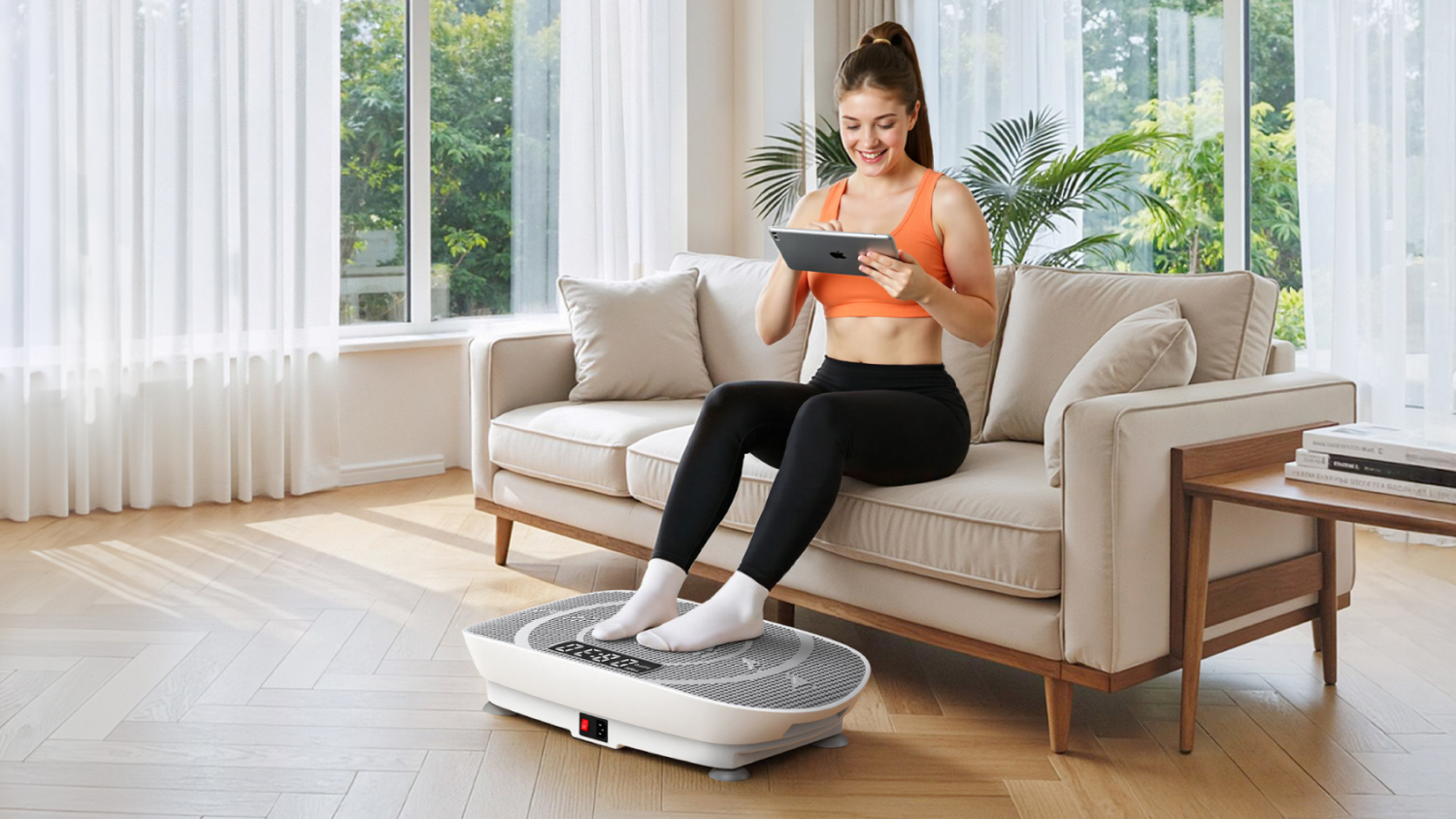
Limitarsi a stare in piedi passivamente sulla pedana mentre scorri il telefono non basta. Devi attivare attivamente i muscoli con la postura corretta o con esercizi mirati.
Esagerare troppo e troppo presto
Un uso prolungato di una pedana vibrante può causare affaticamento muscolare, sovraccarico o persino vertigini e nausea a causa delle vibrazioni. Inizia con calma e aumenta gradualmente.
Postura scorretta
Una postura scorretta può affaticare articolazioni e muscoli, con il rischio di infortuni; quindi mantieni sempre una forma corretta durante l’esercizio, tieni il core attivo e le ginocchia leggermente piegate invece di bloccare le articolazioni.
Uso quotidiano ad alta intensità
Di più non è sempre meglio. Il corpo ha bisogno di tempo per recuperare, soprattutto quando si fa qualcosa di intenso come la vibrazione di tutto il corpo.
Ignorare le controindicazioni
Se sei incinta, hai problemi cardiaci, infortuni recenti o determinate condizioni mediche, devi prima consultare il tuo medico. Le pedane vibranti non sono adatte a tutti.
7. Domande frequenti sulle pedane vibranti
Se stai pensando di usare una pedana vibrante, potresti avere qualche domanda. Ecco le risposte a quelle che riceviamo più spesso.
D1: Posso dimagrire usando una pedana vibrante per soli 10 minuti al giorno?
Sebbene le pedane vibranti possano aiutare a bruciare calorie e a costruire muscolo, il dimagrimento in definitiva dipende da un deficit calorico. Dieci minuti al giorno possono far parte del tuo piano di perdita di peso, ma dovrai abbinarli a un’alimentazione sana e ad altra attività fisica per ottenere risultati reali. Considerala uno strumento utile, non una soluzione miracolosa.
D2: 10 minuti sulla pedana vibrante sono meglio di 10 minuti di camminata?
Sono diversi, non migliori o peggiori. Camminare offre benefici cardiovascolari ed è ottimo per la resistenza. Le pedane vibranti puntano di più sull’attivazione muscolare e sulla forza. Per la salute generale, l’ideale sarebbe fare entrambi durante la settimana invece di scegliere solo uno dei due.
D3: Quante calorie si bruciano con 20 minuti su una pedana vibrante?
A seconda del tuo peso corporeo e dell’intensità della sessione, 20 minuti su una pedana vibrante possono bruciare circa 100-300 calorie. Questo varia molto in base al fatto che tu stia semplicemente in piedi oppure esegua attivamente esercizi come squat e affondi sulla pedana.
D4: Gli anziani possono usare in sicurezza le pedane vibranti per 10 minuti?
Sì, molte persone anziane possono usare in sicurezza le pedane vibranti, che possono essere particolarmente utili per migliorare equilibrio, densità ossea e forza muscolare. Tuttavia, chiunque abbia problemi di salute dovrebbe prima consultare il proprio medico. Inizia con impostazioni di bassa intensità e sessioni brevi, aumentando gradualmente man mano che ti senti più a tuo agio.
D5: Qual è il momento migliore della giornata per usare una pedana vibrante?
Non esiste un “momento migliore” in assoluto: dipende dai tuoi orari e dai tuoi obiettivi. Alcune persone preferiscono usarla al mattino per “risvegliare” i muscoli, altre dopo l’allenamento per favorire il recupero. La cosa più importante è la costanza, quindi scegli un momento che si adatti alla tua routine e mantienilo.
8. Conclusione
Dall’analisi emerge una correlazione interessante tra l’allenamento con pedana vibrante e il numero di passi camminati. Dall’analisi emerge una correlazione interessante tra l’allenamento con pedana vibrante e il numero di passi camminati. Il vero valore risiede nella capacità unica della pedana vibrante di offrire allenamenti efficienti e a basso impatto che si integrano con il tuo stile di vita quotidiano. Che venga usata per il recupero muscolare, per migliorare la circolazione o per stimolare il metabolismo, rappresenta un’aggiunta versatile a qualsiasi routine di benessere.
Pronto a sperimentarne i benefici? Prova la pedana vibrante Merach per tutto il corpo! Che tu voglia aumentare il livello di attività quotidiana o cercare un modo più efficace per rimetterti in forma, offre un’esperienza di allenamento di livello professionale. Inizia oggi il tuo percorso con l’allenamento vibratorio e goditi la praticità e i risultati di questa innovativa attrezzatura fitness per la casa!