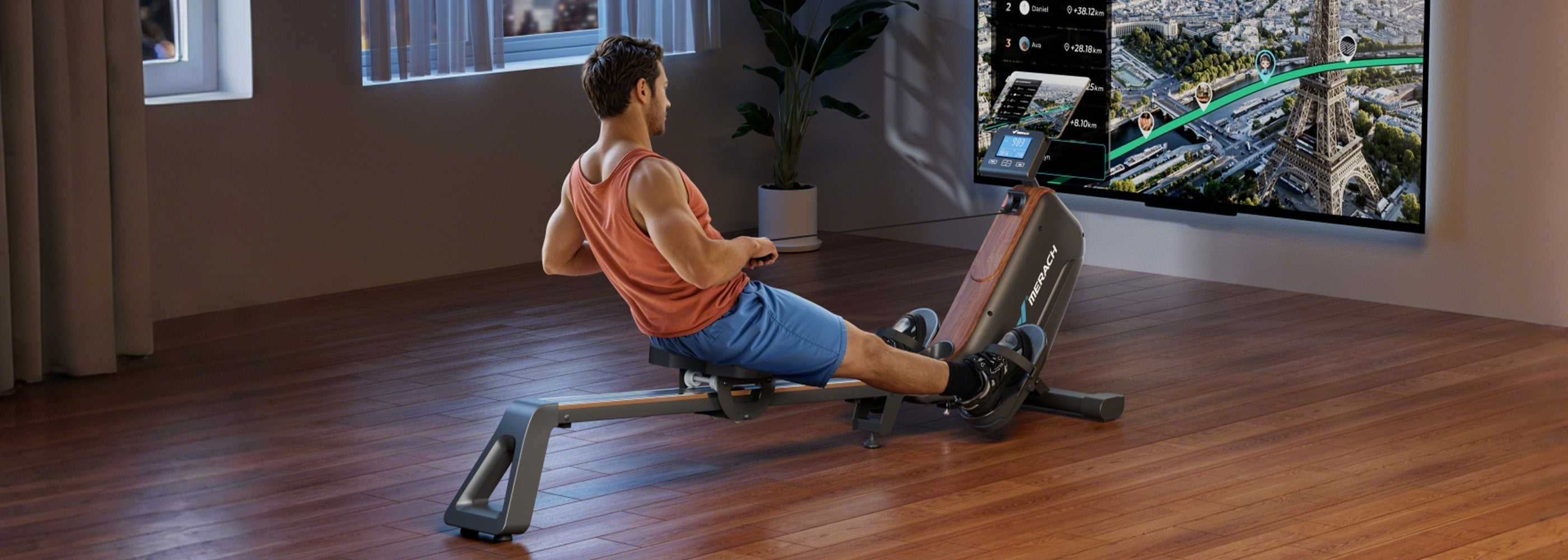











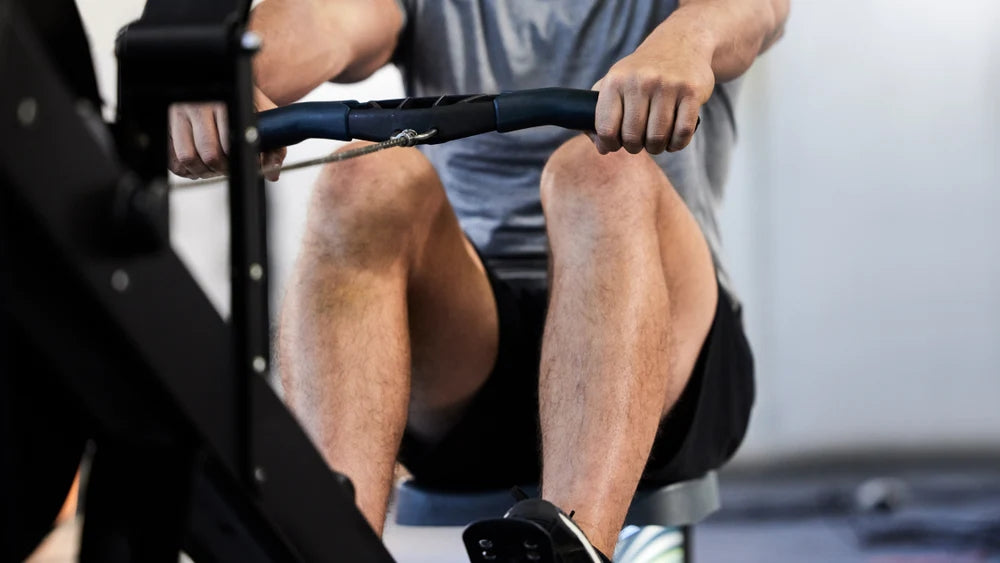
Molte persone vedono il vogatore solo come un attrezzo cardio per resistenza e consumo calorico. Ma una volta che inizi a vogare, ti accorgi subito che c’è molto di più. Le gambe generano la spinta, schiena e braccia tirano, e il core lavora continuamente per mantenerti stabile. Con la giusta resistenza e il giusto stile di allenamento, la vogata può risultare impegnativa quanto un workout di forza.
Ecco perché il canottaggio viene spesso utilizzato in due modi diversi. Alcune persone lo usano principalmente per migliorare forma fisica e resistenza, mentre altre lo considerano uno strumento di allenamento total body per sviluppare massa magra, forza e condizionamento atletico.
In questa guida scoprirai come usare un vogatore per aumentare efficacemente la massa muscolare. Vedremo i migliori metodi di allenamento per la forza, gli errori più comuni che limitano i progressi e i workout che ti aiutano a diventare più forte più velocemente. Se il tuo obiettivo è un corpo più in forma, atletico e potente, questa guida ti mostrerà come arrivarci.
1. Quali muscoli allena un vogatore?
I vogatori possono sicuramente aiutare a sviluppare massa muscolare, anche se non esattamente nello stesso modo dell’allenamento con i pesi tradizionale. Ogni colpo genera una resistenza contro cui il corpo deve lavorare. Con una buona tecnica e una resistenza adeguata, il vogatore diventa un potente allenamento total body che coinvolge contemporaneamente più gruppi muscolari.
- Gambe: generano la maggior parte della potenza durante la spinta
- Schiena: supporta il movimento di trazione e aiuta a mantenere la postura
- Core: mantiene il corpo stabile e trasferisce la forza in modo efficiente
- Braccia e spalle: Concludi la remata e controlla il movimento
Il modo in cui ti alleni fa una grande differenza sui risultati. Sessioni di voga più lunghe e regolari sono eccellenti per migliorare la forma fisica, la resistenza e il consumo calorico. Ma se aumenti la resistenza, rallenti la frequenza delle vogate e inserisci sessioni a intervalli, il vogatore può anche aiutare a sviluppare forza e massa magra.
Per questo il vogatore dà risultati diversi a persone diverse. Alcuni migliorano soprattutto la resistenza e la forma generale, mentre altri lo usano come allenamento total body per diventare più forti, più asciutti e più atletici.

2. Vogatore vs. altri esercizi per lo sviluppo muscolare
Come si confronta il vogatore con la corsa, il ciclismo o il tradizionale allenamento di forza per la costruzione muscolare? Il più grande vantaggio del vogatore è che combina forza, cardio e movimento di tutto il corpo in un unico allenamento. Aiuta a sviluppare forza funzionale, migliorare la forma fisica generale e costruire in modo efficiente un fisico atletico.
Vogatore vs corsa
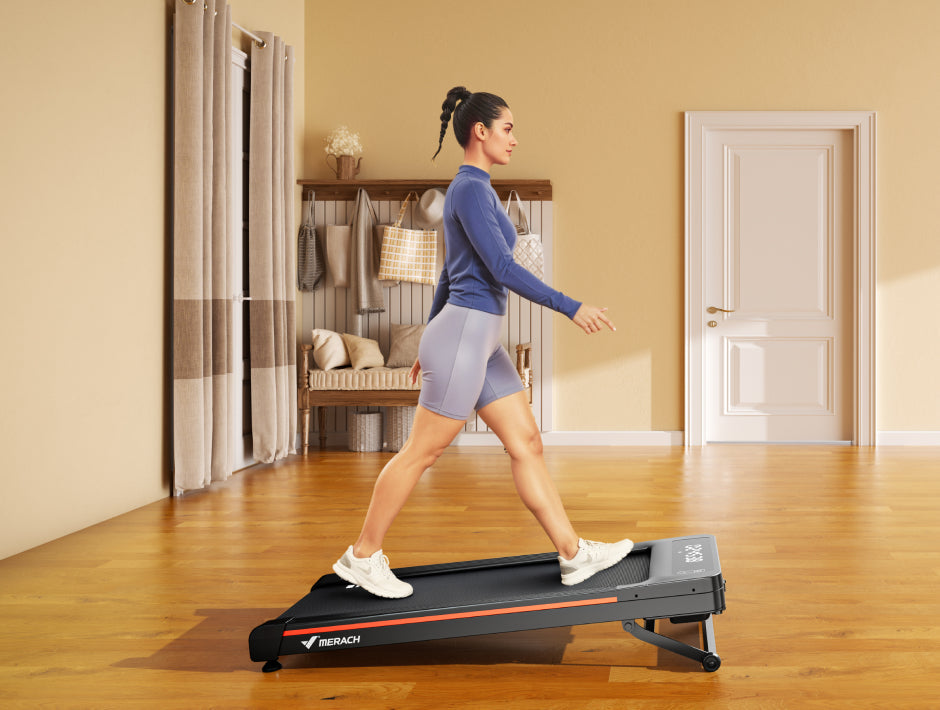
La corsa è eccellente per la resistenza cardiovascolare, ma coinvolge principalmente la parte inferiore del corpo e comporta un impatto maggiore su ginocchia e caviglie. Il vogatore offre un’alternativa a basso impatto, più delicata sulle articolazioni, che consente comunque sessioni di allenamento intense. Per questo molte persone riescono ad allenarsi con maggiore costanza, usare resistenze più elevate e recuperare più comodamente.
Vogatore vs Cyclette
Il ciclismo si concentra principalmente sulle gambe, con un minore coinvolgimento della parte superiore del corpo. Il canottaggio attiva circa l’85% dei muscoli del corpo a ogni colpo, incluse gambe, schiena, core, spalle e braccia. Questo rende il canottaggio un’opzione più equilibrata per lo sviluppo muscolare globale e il condizionamento total body.
Vogatore vs allenamento tradizionale di forza
L’allenamento di forza tradizionale rimane il metodo più efficace per la massima crescita muscolare e l’ipertrofia importante. Tuttavia, il vogatore è ideale per chi cerca muscoli asciutti, condizionamento atletico e forza funzionale senza dover usare più macchine o sottoporre le articolazioni a stress eccessivo.
Per molte persone il canottaggio offre un allenamento altamente efficiente, perché allena contemporaneamente forza e resistenza. Invece di isolare singoli muscoli, abitua il corpo a lavorare come un sistema completo — uno dei motivi per cui il canottaggio è così popolare tra atleti, coach e chi preferisce un allenamento pratico e che faccia risparmiare tempo.
Se il tuo obiettivo è un corpo più asciutto, forte e atletico senza passare ore a spostarti da una macchina all’altra, la vogata è una delle opzioni più efficaci disponibili.
3. I migliori allenamenti al vogatore per aumentare la massa muscolare
Le routine di voga più efficaci combinano intervalli di potenza, ritmo controllato e resistenza più alta per mettere alla prova tutto il corpo. Alternando sessioni di voga incentrate sulla forza con il lavoro di resistenza, puoi sviluppare massa muscolare magra, migliorare la forma fisica e costruire un fisico più forte e atletico.
Questi allenamenti coinvolgono contemporaneamente braccia, schiena, core e gambe, contribuendo a migliorare sia la resistenza muscolare sia le prestazioni generali. Che il tuo obiettivo sia una migliore condizione fisica, più forza o un fisico più definito, il vogatore offre un approccio di allenamento total body efficiente.
Colpi di potenza per la forza della parte superiore del corpo
Usa una frequenza di colpi più bassa, una resistenza più alta e la massima spinta in ogni trazione. Questo stile di voga pone maggiore enfasi sulla parte superiore del corpo, in particolare schiena, spalle, braccia e core.
Allenarsi a un ritmo controllato permette di concentrarsi su colpi potenti e tecnicamente corretti mantenendo la postura adeguata. Punta a circa 20–24 colpi al minuto con una potenza costante.
Questo tipo di sessione aiuta a sviluppare forza di trazione, resistenza della parte superiore del corpo e una postura atletica più solida — con meno stress articolare rispetto a molti esercizi tradizionali in palestra.
Sessioni a basso numero di colpi e alta resistenza
Questi allenamenti puntano più sulla forza e sul controllo che sulla velocità. Con una resistenza maggiore e una frequenza di colpi più bassa, ogni movimento diventa più impegnativo per gambe, core e schiena.
Il ritmo più lento ti dà il tempo di generare forza in modo corretto e mantenere una tecnica efficiente per tutta la sessione. Molte persone utilizzano questo stile di vogata per integrare l’allenamento di forza o migliorare la potenza e la condizione fisica generale.
È un modo pratico per sviluppare forza funzionale beneficiando al tempo stesso del movimento fluido e a basso impatto per cui il canottaggio è conosciuto.
Allenamento a intervalli per la resistenza muscolare
Gli intervalli combinano brevi scatti di sforzo intenso con brevi periodi di recupero. Questo tipo di allenamento è molto efficace per migliorare la resistenza muscolare, la capacità cardiovascolare e la potenza.
Una struttura semplice prevede 30 secondi di voga intensa seguiti da 30 secondi di recupero, ripetuti per 10–15 giri.
Queste sessioni insegnano al corpo a mantenere le prestazioni sotto fatica, contribuendo a sviluppare resistenza e condizionamento generale. Sono particolarmente utili per chi desidera allenamenti efficienti che migliorino contemporaneamente forza e resistenza.

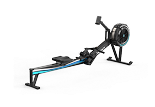
Se il tuo obiettivo è lo sviluppo muscolare più che il semplice cardio leggero, il tipo di vogatore che scegli fa una notevole differenza. Molti vogatori magnetici entry-level offrono una resistenza limitata, che può frenare i progressi di forza a lungo termine. Al contrario, il Merach NovaRow R50 Air Resistance Rower è progettato per offrire un’esperienza di allenamento più impegnativa e scalabile per l’uso domestico.
La sua caratteristica principale è un sistema di resistenza ad aria, in cui la resistenza aumenta naturalmente quanto più forte tiri. Questo crea una sensazione di voga più realistica e permette una progressione del carico, fondamentale per sviluppare forza e massa muscolare nel tempo.
Con 10 livelli di regolazione del damper e una resistenza massima fino a 50 kg, può soddisfare sia i principianti sia gli utenti più esperti. Il binario in acciaio più lungo e la portata di 159 kg contribuiscono inoltre alla stabilità, rendendolo adatto a un’ampia gamma di corporature e intensità di allenamento.
Nel complesso è più adatto a chi desidera un allenamento domestico total body più serio, che combini condizionamento e un lavoro di forza significativo, piuttosto che un semplice training di resistenza leggera.
4. Conclusioni
Un vogatore per la crescita muscolare è uno degli attrezzi più efficaci, a basso impatto sulle articolazioni ma ad alto rendimento, che puoi usare per trasformare il tuo corpo. Aumenta la resistenza, potenzia la forza esplosiva e sviluppa la muscolatura. I vogatori per la crescita muscolare lo fanno restando delicati sulle articolazioni. Un allenamento al vogatore mirato all’ipertrofia offre risultati rapidi e visibili, che tu punti a un fisico atletico, a gambe scolpite o a una schiena più forte. È una vera centrale di potenza che trasforma lo sforzo in progresso. Rappresenta una scelta imbattibile per la trasformazione completa del corpo, il condizionamento e la forza. Ogni colpo di remo offre un allenamento globale che coinvolge in modo efficiente core, schiena, gambe e braccia.